Office Building Classes: Differences of Grade A, B, and C Workspaces
Published Date:
Last Updated:
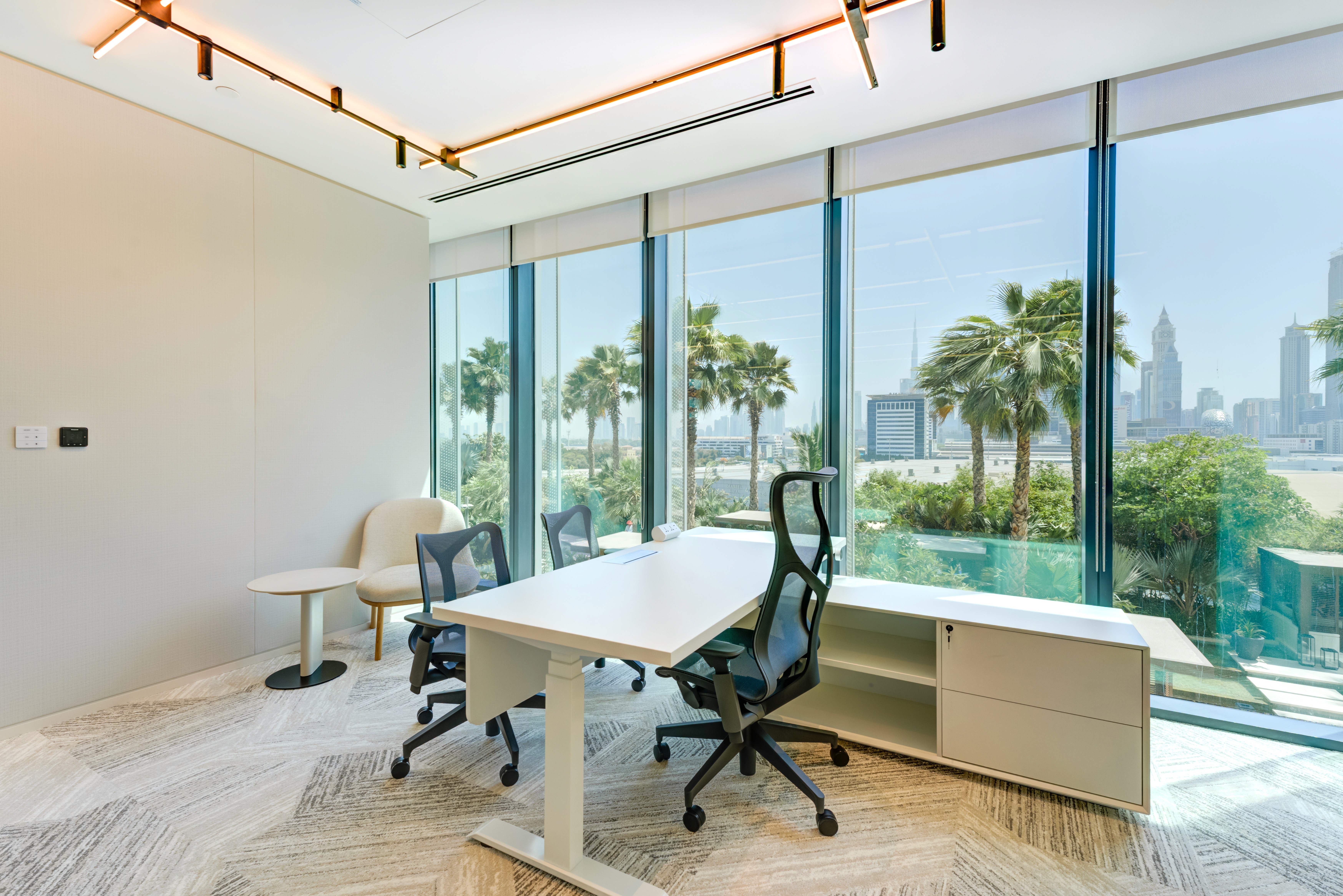
Office buildings are typically categorised into Grade A, Grade B, and Grade C classifications. These categories are widely used in commercial real estate to indicate the relative quality, location, and functionality of a workspace. Although not governed by a universal standard, they provide a practical framework for comparing office environments within a specific market.
Understanding these classifications allows businesses to assess workspace options more effectively and select premises that align with operational requirements, budget considerations, and overall positioning.
Understanding Office Building Grades
Office classifications are determined by several factors, including location, building age, design quality, infrastructure, amenities, and market perception. These elements collectively influence how a property is positioned within the commercial landscape.
It is important to note that grading is relative rather than absolute. A Grade A building in one city may differ in specification from a similarly classified building elsewhere, depending on local development standards and expectations.
Rather than functioning as a strict regulatory system, these categories reflect prevailing market conditions and tenant demand.

Grade A Offices
Representing the highest standard of commercial property within a given area, these buildings are typically located in established business districts and designed to meet modern corporate expectations.
They are usually newly constructed or recently refurbished, incorporating contemporary architecture, high-quality materials, and advanced building systems. These spaces are maintained to a high standard and supported by professional property management.
In addition to their design and infrastructure, Grade A Offices often include a range of premium amenities that enhance both functionality and working experience. As a result, they command higher rental values and are commonly occupied by multinational corporations, financial institutions, and client-facing businesses.
Typical characteristics include:
Prime locations with strong connectivity
High-specification finishes and modern design
Advanced infrastructure, including climate control and security systems
Professional property management and maintenance
Access to premium amenities such as reception areas and shared facilities
Grade B Offices
Positioned within the mid-range segment of the market, these properties offer practical and well-maintained workspaces suitable for a wide range of business operations.
They are typically older than Grade A buildings but remain in good condition, often benefiting from periodic upgrades or refurbishment. While they may not feature high-end finishes, they provide dependable infrastructure and efficient layouts that support everyday operations.
These spaces are generally more cost-effective, making them a suitable option for small to medium-sized enterprises seeking a balance between affordability and quality. Some buildings may also present opportunities for repositioning or improvement over time.
Typical characteristics include:
Well-connected locations, though not always in prime districts
Standard construction quality and interior finishes
Essential amenities such as parking, security, and shared facilities
More competitive rental costs compared to higher-grade offices
Potential for refurbishment or upgrades
Grade C Offices
At the most basic end of the classification, these buildings consist primarily of older properties with limited infrastructure and fewer amenities.
They are often located in secondary or less central areas and may require significant renovation to meet modern standards. Interiors and building systems are typically dated, with a stronger emphasis on functionality rather than design or presentation.
Due to their lower cost, these spaces are commonly used for back-office functions or by businesses where location and image are less critical. They provide a practical solution for organisations prioritising cost control over premium features.
Typical characteristics include:
Older construction with dated interiors and layouts
Basic or limited building systems
Minimal shared amenities and services
Lower rental values
Locations outside primary business districts

Key Differences Between Office Grades
The distinction between Grade A, B, and C offices can be understood through several core criteria:
Location
Grade A buildings are situated in prime business areas with strong accessibility. Grade B properties are found in secondary locations, while Grade C offices are typically positioned outside key commercial zones.
Quality and Design
Grade A offices feature modern architecture and high-end finishes. Grade B buildings offer standard quality, whereas Grade C properties often reflect older construction and outdated design.
Infrastructure and Amenities
Grade A provides advanced systems and a wide range of facilities. Grade B offers essential infrastructure, while Grade C includes only basic provisions.
Rental Value
Costs decrease progressively from Grade A to Grade C, reflecting differences in quality, location, and available services.
Occupier Profile
Grade A attracts large corporates and international firms, Grade B is suited to growing businesses, and Grade C is generally used for cost-sensitive operations.

Variations Across Markets
Office classifications are influenced by local market conditions. As a result, the definition of each grade can vary between cities and regions.
In established global business centres, Grade A offices typically meet international standards in terms of design, technology, and services. In emerging markets, similar buildings may be classified differently depending on the surrounding infrastructure and level of development.
This variability highlights the importance of evaluating office space within its specific geographic context rather than relying solely on classification labels.
Selecting the Appropriate Office Grade
Choosing the right office space involves assessing a combination of practical and strategic factors.
Budget considerations
Higher-grade offices involve greater rental commitments, which must be balanced against financial planning.
Business positioning
Organisations with a strong client-facing presence may prioritise premium environments that reflect their brand.
Operational requirements
Infrastructure, layout, and accessibility should support daily activities and workforce needs.
Future growth
Flexibility and potential for expansion are important when planning for long-term development.
A clear understanding of these factors enables businesses to identify the most suitable category of workspace.
Key Takeaways
The classification of office buildings into Grade A, B, and C provides a structured way to assess commercial workspaces. Although not formally standardised, these categories reflect differences in quality, location, and functionality within the property market.
Each grade serves a distinct purpose, ranging from premium corporate environments to more cost-effective operational spaces. The appropriate choice depends on a company’s objectives, financial capacity, and operational priorities.
By understanding these distinctions, businesses can make informed decisions and select office environments that support both immediate needs and long-term goals.
Table of Content
Industry Insights
Professional Development

Written by:
Rados Stanojkovic
Associate Director - BD Abu Dhabi
Frequently Asked Questions
Are office building grades officially regulated?
No, office classifications are not governed by a universal regulatory system. They are determined by market standards and can vary depending on the city and local real estate conditions.
Can startups operate from higher-grade office spaces?
Yes, although it depends on budget. Some startups choose premium spaces to enhance credibility, while others prioritise cost efficiency.
Are shared or serviced offices available in all building grades?
Serviced and flexible office providers are more commonly found in higher-grade buildings, but options may also exist in mid-tier properties.
Does building grade impact employee experience?
Yes, factors such as natural light, facilities, and overall environment can influence comfort, productivity, and workplace satisfaction.
Do office grades affect business reputation?
In many cases, yes. A higher-grade address can positively influence brand perception, especially for client-facing or corporate businesses.